The cajon is now a very common instrument. The word is Spanish in origin, and it means crate, box or drawer. That is exactly what the instrument is: a wooden box you play as a drum.
Since its earliest beginnings, the design has barely changed.
Modern cajons can carry built-in amplification and adjustable snare and bass tones. Even so, at heart the cajon is still a hollow box, usually made from plywood.
Cajon Drum Construction
One side of the cajon is a thin sheet of plywood, rather like the bottom of a drawer. The sides and top use thicker wood, and the back usually has a sound hole. Beating different parts of the front surface gives you different sounds.
Cajon Drum Sounds
Hit the middle of the playing surface and you get a bass drum. Hit closer to the top and the tone rises. So a player can treat the box much like a bass drum with a snare or toms alongside it.
That makes the cajon a versatile instrument, and an easy one to carry.
Most cajons stand about a foot square and 18 inches tall. The player sits on the box and strikes the front surface.
Popularity
The instrument has grown very popular in recent years, both with acoustic bands and in the recording studio. Its earthy, acoustic sound sits perfectly alongside other acoustic instruments.
Most people can beat out a basic rhythm on a cajon straight away. As with any instrument, though, practice brings out the best in both the player and the box.
Here is an amazing cajon solo:
Recording a Cajon
Miking a cajon takes a little thought, because the box throws sound in two directions at once. A microphone in front picks up the slap and snare detail from the playing surface, while the sound hole at the back carries most of the low end. Many engineers use both, then balance the two. A player who shifts position mid-take will change the tone noticeably, so it pays to settle the seating early.
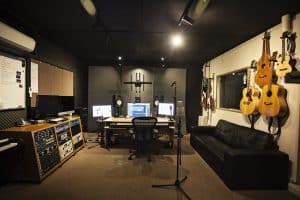
Crash Symphony records cajon in our Sydney studio, and we can mike it however the arrangement needs. Get in touch to talk about a session.
The cajon drum gives an acoustic act a whole rhythm section in one box, which is why it turns up in so many sessions these days.